









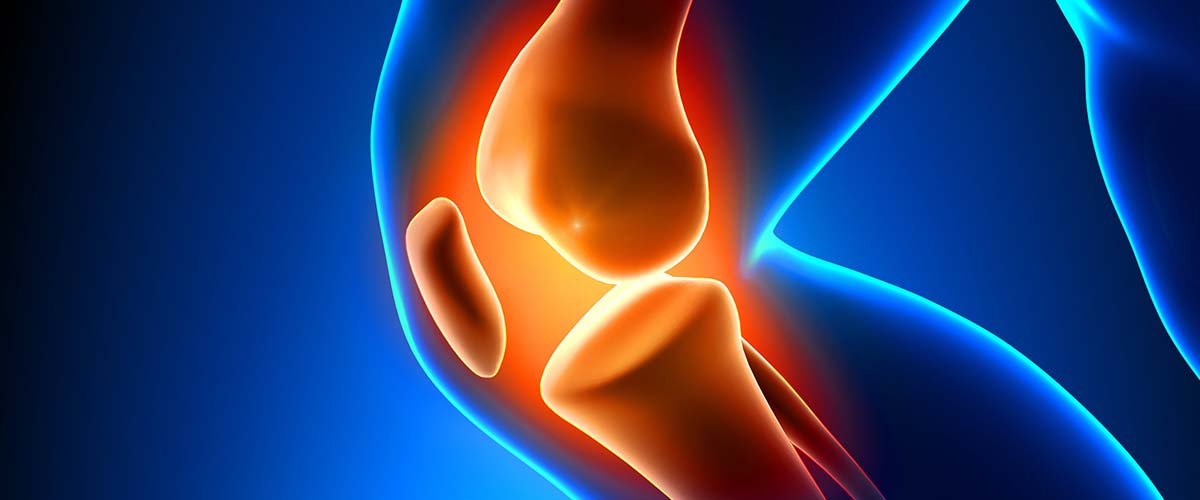
Prepatellar bursitis is swelling of the bursa, a thin fluid-filled sac, that sits in front of the kneecap. It is sometimes called “housemaid’s knee” because frequent kneeling is a common cause. It can also follow a fall onto the knee, and the bursa can become infected, which needs prompt treatment.
- A soft, sometimes large swelling on the front of the kneecap
- Caused by kneeling, a direct blow, or infection
- Redness, warmth, fever or a skin wound suggest infection: be seen promptly
- Most cases settle without surgery
- Recurrent cases can be treated with removal of the bursa
Causes
- Repeated kneeling: flooring, plumbing, gardening, cleaning, wrestling
- A fall or direct blow to the front of the knee
- Infection (septic bursitis), often through a small cut or scrape
Symptoms
- Swelling over the kneecap, sometimes the size of an egg or larger
- Tenderness, and pain with kneeling
- With infection: redness, warmth, increasing pain, and sometimes fever
Unlike fluid inside the knee joint, the knee usually still bends fairly normally.
Diagnosis
Dr. Dold examines the knee and may order X-rays to rule out a fracture or other problems. If infection is possible, fluid may be drawn from the bursa with a needle and tested.
Treatment
Non-infected bursitis:
- Avoiding kneeling, and using kneepads when kneeling is necessary
- Ice, compression and anti-inflammatory medicine when safe for you
- Draining the fluid in some cases
Infected bursitis needs antibiotics and sometimes drainage. Surgery to remove the bursa (bursectomy) is considered for infection that does not settle or bursitis that keeps coming back. In a systematic review, removing the bursa endoscopically (through small incisions) had recurrence rates similar to open surgery.1
What the research shows
- Is it infected? Redness, warmth and swelling can occur with or without infection, so the exam alone is not always enough. In a series of wrestlers, half of prepatellar bursitis cases were infected. Drawing fluid from the bursa with a needle (often guided by ultrasound) and testing it is the most reliable way to tell, and Staphylococcus aureus is the usual cause.
- Non-infected bursitis usually settles with rest from kneeling, padding, compression, ice and anti-inflammatory medicine. Aspiration can relieve a large or tense swelling.
- Infected bursitis is treated with antibiotics, usually by mouth, and repeated drainage if needed. A systematic review found that this conservative approach works for most patients and that immediate surgery is not necessary. Hospital admission or IV antibiotics are needed for spreading infection, signs of systemic illness, or a weakened immune system, in which infections can take about three times longer to clear.
- When surgery is needed: for infections that do not respond, or chronic bursitis that keeps coming back, the bursa can be removed. In a randomized trial, removal with immediate closure plus 7 days of antibiotics was safe and effective, and endoscopic (keyhole) removal had results similar to open surgery with shorter hospital stays.
- Prevention: kneepads and limiting time spent kneeling reduce the chance of recurrence, particularly for people whose work or sport involves kneeling.
Frequently asked questions
Is prepatellar bursitis serious?
Usually not, but redness, warmth, increasing pain or fever can mean infection, which needs prompt treatment.
Should the fluid be drained?
Sometimes. Drainage can relieve pressure and is used to test for infection. The swelling can return, so avoiding kneeling matters.
When is surgery needed?
For infection that does not settle or bursitis that keeps coming back. The bursa can be removed through small (endoscopic) incisions or an open incision.
Research cited on this page
- Brown OS, Smith TO, Parsons T, et al. Management of septic and aseptic prepatellar bursitis: a systematic review. Arch Orthop Trauma Surg. 2022;142(10):2445-2457. PubMed
In 10 studies (702 patients), endoscopic and open bursectomy had similar recurrence and complication rates; 80% of endoscopically treated patients were pain free at 1 year. - Baumbach SF, Lobo CM, Badyine I, et al. Prepatellar and olecranon bursitis: literature review and development of a treatment algorithm. Arch Orthop Trauma Surg. 2014;134(3):359-70. PubMed
Systematic review: evidence does not support immediate surgical removal of the bursa for septic bursitis; conservative treatment based on fluid analysis is recommended. - Uçkay I, von Dach E, Perez C, et al. One- vs 2-Stage Bursectomy for Septic Olecranon and Prepatellar Bursitis: A Prospective Randomized Trial. Mayo Clin Proc. 2017;92(7):1061-1069. PubMed
Randomized trial: for septic bursitis needing admission, one-stage bursectomy with primary closure and 7 days of antibiotics was safe and effective. - Mysnyk MC, Wroble RR, Foster DT, et al. Prepatellar bursitis in wrestlers. Am J Sports Med. 1986;14(1):46-54. PubMed
Wrestler series: half of prepatellar bursitis cases showed infection, supporting aspiration with Gram stain and culture. - Lormeau C, Cormier G, Sigaux J, et al. Management of septic bursitis. Joint Bone Spine. 2019;86(5):583-588. PubMed
Review: differentiating septic from aseptic bursitis usually requires analysis of aspirated fluid; ultrasound helps guide aspiration; Staphylococcus aureus is the usual organism. - Khodaee M. Common Superficial Bursitis. Am Fam Physician. 2017;95(4):224-231. PubMed
Review (American Family Physician): aseptic bursitis is treated with rest, padding and anti-inflammatories; chronic inflammatory bursitis is treated by managing the underlying condition. - Aaron DL, Patel A, Kayiaros S, et al. Four common types of bursitis: diagnosis and management. J Am Acad Orthop Surg. 2011;19(6):359-67. PubMed
Review: most patients with superficial bursitis respond to non-surgical care; septic bursitis is treated with antibiotics and aspiration, with surgery for failures. - McFarland EG, Mamanee P, Queale WS, et al. Olecranon and prepatellar bursitis: treating acute, chronic, and inflamed. Phys Sportsmed. 2000;28(3):40-52. PubMed
Review: acute traumatic swelling can be treated with aspiration, compression and padding; chronic non-septic bursitis usually responds to conservative care. - Zimmermann B, Mikolich DJ, Ho G. Septic bursitis. Semin Arthritis Rheum. 1995;24(6):391-410. PubMed
Review: hospitalization or IV antibiotics are indicated for fulminant local infection, systemic illness or immunocompromise. - Roschmann RA, Bell CL. Septic bursitis in immunocompromised patients. Am J Med. 1987;83(4):661-5. PubMed
Study: septic bursitis in immunocompromised patients took about three times longer to sterilize. - Hanrahan JA. Recent developments in septic bursitis. Curr Infect Dis Rep. 2013;15(5):421-5. PubMed
Review: no definitive treatment guidelines; most septic bursitis is due to Staphylococcus aureus. - Huang YC, Yeh WL. Endoscopic treatment of prepatellar bursitis. Int Orthop. 2011;35(3):355-8. PubMed
Clinical series: endoscopic treatment of chronic prepatellar bursitis left all patients symptom-free at about 3 years. - Meric G, Sargin S, Atik A, et al. Endoscopic versus Open Bursectomy for Prepatellar and Olecranon Bursitis. Cureus. 2018;10(3):e2374. PubMed
Comparative study: endoscopic bursectomy had shorter operating and hospital times than open bursectomy. - Luk WCB, Lui TH. Endoscopic Resection of Prepatellar Bursa. Arthrosc Tech. 2020;9(7):e1057-e1060. PubMed
Technique: non-operative treatment is the mainstay; endoscopic resection is an option for persistent bursitis. - Sayegh ET, Strauch RJ. Treatment of olecranon bursitis: a systematic review. Arch Orthop Trauma Surg. 2014;134(11):1517-36. PubMed
Systematic review (olecranon bursitis): non-surgical management was more effective and safer than surgery. - Kiningham R, Monseau A. Caring for Wrestlers. Curr Sports Med Rep. 2015;14(5):404-12. PubMed
Review: prepatellar bursitis is among the common problems in wrestlers. - Katz NB, Tsitsilianos N, Nowak AS, et al. Advanced Non-Operative Interventions for Anterior Knee Pain. Curr Rev Musculoskelet Med. 2024;17(12):589-615. PubMed
Review of advanced non-operative options for anterior knee conditions, including prepatellar bursitis.
Medically reviewed by Andrew P. Dold, MD, FAOA, FAAOS, FACS, FRCSC. Last reviewed October 2026. This page is general information, not medical advice. Your own diagnosis and treatment plan depend on your exam and imaging.