








Cartilage Repair and Transplantation
Damaged knee cartilage has very little ability to heal. Dr. Dold performs the full range of cartilage restoration procedures, including microfracture, OATS, osteochondral allograft, MACI and the CartiHeal™ Agili-C™ implant, with biologic augmentation when appropriate. Here is how they compare, backed by the research.
Request an AppointmentCall 469-850-0680CartiHeal Agili-CAll biologic treatmentsCartilage damage
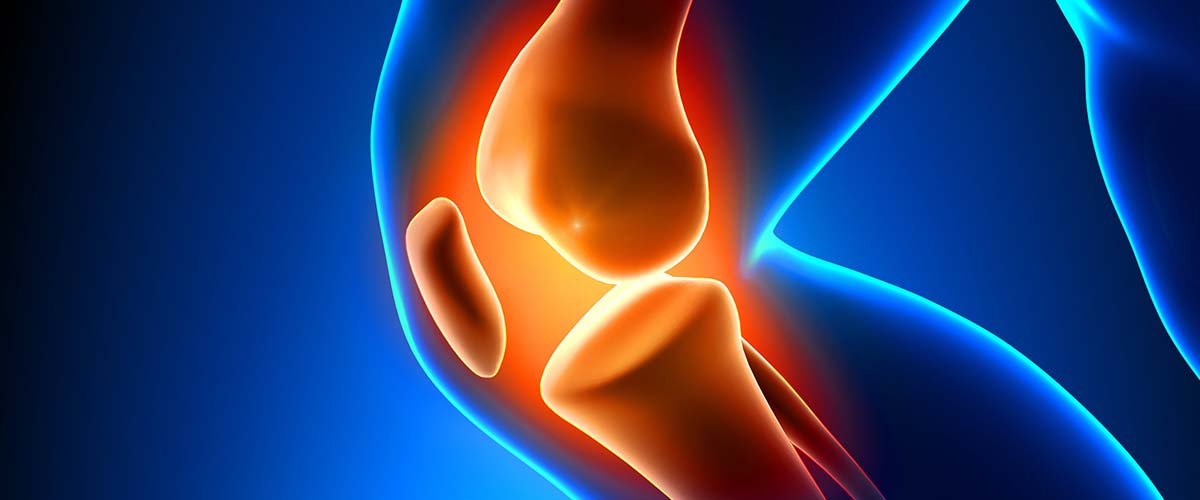
Articular cartilage is the smooth, glistening surface covering the ends of the bones in a joint. It has no blood supply, so once it is damaged it has very little ability to heal. Cartilage damage is very common: in a review of more than 31,000 knee arthroscopies, more than 53,000 cartilage lesions were recorded,1 and another series of 25,124 arthroscopies found cartilage lesions in 60% of patients, most often on the kneecap and the inner thighbone.2 About 1 in 10 knee arthroscopies shows a full-thickness defect that may be suitable for repair.3
Untreated defects can enlarge over time. In a study of older adults with mild to moderate knee arthritis, cartilage defects on the inner side of the knee grew faster, especially in heavier patients and those with bow-legged (varus) alignment.4 This is one reason Dr. Dold evaluates alignment carefully.
1.What does a cartilage injury feel like?
Aching pain with activity or after sitting, swelling after activity, and sometimes catching, clicking or locking if a loose piece of cartilage is floating in the joint.
2.How is cartilage damage diagnosed?
An MRI is the best test to show the size and depth of a defect and the condition of the bone underneath. X-rays, including standing and alignment views, check for arthritis and leg alignment.
3.Can damaged cartilage grow back on its own?
Rarely. Because cartilage has no blood supply, most full-thickness defects do not heal on their own. Repair procedures aim to fill the defect with repair tissue or transplanted cartilage.
4.Who is a candidate for cartilage repair?
Usually an active patient with a well-defined cartilage defect, from an injury, a kneecap dislocation or osteochondritis dissecans (OCD), whose symptoms have not improved with non-surgical care. Traditional repair works best without significant arthritis, while CartiHeal Agili-C is approved for knees with up to moderate arthritis.5
Treatment options compared
| Procedure | What it involves | Typically used for | Key research |
|---|---|---|---|
| Marrow stimulation (microfracture) | Small holes are made in the bone under the defect so marrow cells can form repair tissue | Smaller defects with healthy bone underneath | Good early results, but outcomes may decline after 2 to 5 years;6,7 failure rates of 11% to 27% within 5 years8 |
| Osteochondral autograft (OATS) | Plugs of your own healthy cartilage and bone are moved from a less important area into the defect | Smaller defects; donor tissue is limited | Better long-term results than microfracture in randomized trials, with 14% vs 38% failure at 10 years9,10 |
| Osteochondral allograft | A matched, carefully tested donor graft of cartilage and bone is shaped to fill the defect | Larger defects, or defects where the bone is damaged (such as OCD) | About 79% of grafts still functioning at 10 years and 73% at 15 years11 |
| MACI (cell-based repair) | Two stages: a small sample of your cartilage cells is grown in a lab on a collagen membrane, then implanted | Larger defects in younger, active patients | Better pain and function than microfracture at 2 and 5 years for defects 3 cm² or larger12,13 |
| CartiHeal™ Agili-C™ | A single-stage, off-the-shelf aragonite scaffold placed into the defect | Defects of 1 to 7 cm², including knees with mild to moderate arthritis | Superior to microfracture or debridement at 2 and 5 years in a randomized trial14,15 |
Dr. Dold offers each of these procedures and will explain which fits your knee, the pros and cons of each, and whether surgery is needed at all. The right choice depends on the size and location of the defect, the condition of the bone underneath, your age and your goals.
Microfracture (marrow stimulation)
Microfracture creates small holes in the bone beneath the defect so that bone marrow cells can form a repair tissue. It is a single, arthroscopic procedure. In a long-term study of patients 45 or younger, 80% rated themselves improved at 7 years.16 However, the repair tissue is fibrocartilage rather than true hyaline cartilage, and results tend to be best in smaller defects and younger patients, with some decline after 2 to 5 years.6,7,8 In elite athletes, return to the same level is less predictable; a third of NBA players who had microfracture did not return to the league.17
5.Can microfracture be improved with biologics?
Yes, possibly. In a 5-year comparison, combining a scaffold with BMAC gave better and more durable results than microfracture alone,18 with lasting results in a 14-year follow-up.19 Adding BMAC to microfracture with an osteotomy improved cartilage repair quality in another study.20
Osteochondral autograft (OATS)
OATS moves one or more plugs of your own healthy cartilage and bone from a low-demand area of the knee into the defect, replacing it with true hyaline cartilage in a single surgery. In a randomized trial of young athletes, 96% had good or excellent results after OATS vs 52% after microfracture, and 93% vs 52% returned to their previous sport level.21 At 10 years, failures were 14% after OATS vs 38% after microfracture,9 and another randomized trial found better results with OATS at 15 to 17 years.10 OATS is limited by how much donor tissue can be taken, so it is best for smaller defects.
Osteochondral allograft transplantation
An osteochondral allograft uses a fresh, carefully tested and size-matched donor graft of cartilage and bone to fill a larger defect or one with damaged bone underneath, such as osteochondritis dissecans. Dr. Dold co-authored a published surgical technique for osteochondral and meniscal allograft transplantation.22 See Dr. Dold’s research.
- A systematic review of 1,036 patients found 86.7% of grafts were still functioning at 5 years, 78.7% at 10 years and 72.8% at 15 years.11
- In a 2025 study of 560 knees, graft survival was 89% at 5 years, 83% at 10 years and 75% at 15 years.23
- For kneecap (patellofemoral) grafts, survival was 87.9% at 5 years and 77.2% at 10 years.24
- 75.2% of athletes and active patients returned to sport or recreation, and 91% were satisfied.25
Factors linked to a higher chance of failure include defects on both sides of the joint (bipolar), older age, higher body weight and very large grafts.26,23
MACI (cell-based cartilage repair)
MACI is FDA-approved for the repair of symptomatic, single or multiple full-thickness cartilage defects of the knee, with or without bone involvement, in adults.27 It is a two-stage procedure: first, a small sample of cartilage is taken arthroscopically; your cells are then grown in a laboratory on a collagen membrane and implanted into the defect at a second surgery.
- In the SUMMIT randomized trial of defects 3 cm² or larger, MACI gave significantly better pain and function than microfracture at 2 years, with fewer nonresponders (12.5% vs 31.9%).12
- The advantage over microfracture was maintained at 5 years.13
- In the first 1,000 U.S. patients, the average age was 34, the average defect was 4.7 cm², and the kneecap was the most commonly treated area.28
- In a European study of matrix-associated chondrocyte implantation, about 74% of active patients returned to at least their previous sport level at 5 years.29
CartiHeal Agili-C implant
The CartiHeal™ Agili-C™ implant (Smith+Nephew) is a porous scaffold made from aragonite, a natural form of calcium carbonate, placed into the defect in a single surgery to support regrowth of cartilage and the bone beneath. The FDA approved it in March 2022 for ICRS grade III or higher knee lesions with a total treatable area of 1 to 7 cm², in knees without severe arthritis (Kellgren-Lawrence grade 0 to 3).5
- In the randomized trial of 251 patients used for FDA approval, 77.8% of implant patients were responders vs 33.6% after microfracture or debridement, 88.5% had at least 75% defect fill on MRI at 2 years vs 30.9%, and failures were 7.2% vs 21.4%.14
- The benefit was maintained at 4 years in both men and women.30
- At 5 years, responder rates were 74.7% vs 29.6% and failures 15.0% vs 35.7%, including in patients with mild to moderate arthritis.15
Learn more about CartiHeal Agili-C.
Dr. Dold’s research on cartilage and biologics
Dr. Dold has published peer-reviewed research on biologic treatments for damaged cartilage and on cartilage transplantation:
- Platelet-rich plasma in the management of articular cartilage pathology: a systematic review (Clinical Journal of Sport Medicine, 2014; first author). This review of 10 studies (662 joints, mostly knee or hip arthritis) found that 7 of 8 studies reported significant improvement in joint-specific scores after PRP for up to 6 months, and 3 of 4 comparative studies reported better clinical or pain scores than hyaluronic acid (gel) injections. It also concluded that the studies available at the time were of poor quality, that there was little data on PRP for focal cartilage injuries, and that higher-quality studies with longer follow-up were needed.31 Many of those larger trials have since been published; see PRP injections.
- Injectable biological treatments for osteoarthritis of the knee (JBJS Reviews, 2017; co-author). A review article on injectable biologic treatments for knee arthritis.32
- Osteochondral proximal tibial and lateral meniscal allograft transplant (Arthroscopy Techniques, 2016; co-author). A published surgical technique for transplanting donor cartilage and bone together with a donor meniscus.22
Fixing the underlying cause
A cartilage repair is more likely to last when the reason for the damage is addressed. Depending on your knee, that may mean correcting leg alignment with an osteotomy, stabilizing the kneecap, reconstructing a torn ACL or treating a damaged meniscus, sometimes including meniscus transplant. Malalignment increases the load on the damaged area and is linked to faster progression of cartilage defects.4
Recovery and return to sport
Recovery depends on the procedure and the location of the defect. Most patients use crutches for several weeks to protect the repair, sometimes with a brace, and begin physical therapy early to restore motion. Strengthening continues for months, and return to impact or pivoting sports is gradual. In a meta-analysis of 2,549 patients, 76% returned to sport overall: 93% after OATS, 88% after osteochondral allograft, 82% after cell-based repair and 58% after microfracture. Average time to return ranged from about 5 months after OATS to about 12 months after cell-based repair.33 Dr. Dold will give you a specific timeline before surgery.
6.Which procedure gets me back to sport fastest?
In a large meta-analysis, OATS had the fastest return (about 5 months) and the highest return rate (93%).33 The best procedure for you depends on the size and location of your defect.
7.How long will I be on crutches?
Usually several weeks, depending on the procedure and whether the defect is on a weight-bearing surface. Dr. Dold will give you a specific plan.
Frequently asked questions
8.What is a cartilage transplant?
A procedure that fills a cartilage defect with healthy cartilage, either your own (OATS, or cells grown in a lab for MACI) or carefully tested donor tissue (osteochondral allograft).
9.Can cartilage be repaired if I already have some arthritis?
Sometimes. The CartiHeal Agili-C implant is approved for knees with up to moderate arthritis.5 For severe, bone-on-bone arthritis, injections, an osteotomy or joint replacement are usually better options.
10.Is MACI better than microfracture?
For larger defects, yes in the SUMMIT trial, with better pain and function at 2 and 5 years.12,13 Across a review of earlier cell-based (ACI) studies, overall failure rates were similar to microfracture.34
11.Can PRP or BMAC help cartilage repair?
They may. BMAC combined with a scaffold produced more durable repairs than microfracture in a 5-year study.18 Dr. Dold may use BMAC or PRP as an adjunct and will discuss the evidence for your procedure.
12.Are donor grafts safe?
Osteochondral allografts come from carefully screened and tested donors. Dr. Dold will discuss the small risks of donor tissue at your consultation.
13.Does insurance cover cartilage repair?
Cartilage repair procedures are often covered when medically necessary; coverage varies by plan, and our office will help with any authorization needed. Dr. Dold accepts most major insurance plans, including Medicare and Tricare; please call 469-850-0680 to confirm your coverage.
- Board certified by the American Board of Orthopaedic Surgery, with subspecialty certification in Sports Medicine
- Sports medicine and arthroscopy fellowship at NYU Langone / Hospital for Joint Diseases; orthopedic residency at the University of Toronto
- Fellow of the American College of Surgeons (FACS), the American Academy of Orthopaedic Surgeons (FAAOS), the American Orthopaedic Association (FAOA) and the Royal College of Surgeons of Canada (FRCSC)
- Has cared for professional and Olympic athletes from the NFL, NBA, NHL, MLS, PGA Tour, Major League Rugby and USA Gymnastics
Research cited on this page
- Curl WW, Krome J, Gordon ES, et al. Cartilage injuries: a review of 31,516 knee arthroscopies. Arthroscopy. 1997. PubMed
- Widuchowski W, Widuchowski J, Trzaska T. Articular cartilage defects: study of 25,124 knee arthroscopies. Knee. 2007. PubMed
- Arøen A, Løken S, Heir S, et al. Articular cartilage lesions in 993 consecutive knee arthroscopies. Am J Sports Med. 2004. PubMed
- Everhart JS, Abouljoud MM, Poland SG, et al. Medial compartment defects progress at a more rapid rate than lateral cartilage defects in older adults with minimal to moderate knee osteoarthritis (OA): data from the OA initiative. Knee Surg Sports Traumatol Arthrosc. 2019. PubMed
- US Food and Drug Administration. Premarket Approval P210034: Agili-C. Decision date March 29, 2022. FDA
- Mithoefer K, McAdams T, Williams RJ, et al. Clinical efficacy of the microfracture technique for articular cartilage repair in the knee: an evidence-based systematic analysis. Am J Sports Med. 2009. PubMed
- Gobbi A, Karnatzikos G, Kumar A. Long-term results after microfracture treatment for full-thickness knee chondral lesions in athletes. Knee Surg Sports Traumatol Arthrosc. 2014. PubMed
- Orth P, Gao L, Madry H. Microfracture for cartilage repair in the knee: a systematic review of the contemporary literature. Knee Surg Sports Traumatol Arthrosc. 2020. PubMed
- Gudas R, Gudaite A, Pocius A, et al. Ten-year follow-up of a prospective, randomized clinical study of mosaic osteochondral autologous transplantation versus microfracture for the treatment of osteochondral defects in the knee joint of athletes. Am J Sports Med. 2012. PubMed
- Solheim E, Hegna J, Strand T, et al. Randomized Study of Long-term (15-17 Years) Outcome After Microfracture Versus Mosaicplasty in Knee Articular Cartilage Defects. Am J Sports Med. 2018. PubMed
- Familiari F, Cinque ME, Chahla J, et al. Clinical Outcomes and Failure Rates of Osteochondral Allograft Transplantation in the Knee: A Systematic Review. Am J Sports Med. 2018. PubMed
- Saris D, Price A, Widuchowski W, et al. Matrix-Applied Characterized Autologous Cultured Chondrocytes Versus Microfracture: Two-Year Follow-up of a Prospective Randomized Trial. Am J Sports Med. 2014. PubMed
- Brittberg M, Recker D, Ilgenfritz J, et al. Matrix-Applied Characterized Autologous Cultured Chondrocytes Versus Microfracture: Five-Year Follow-up of a Prospective Randomized Trial. Am J Sports Med. 2018. PubMed
- Altschuler N, Zaslav KR, Di Matteo B, et al. Aragonite-Based Scaffold Versus Microfracture and Debridement for the Treatment of Knee Chondral and Osteochondral Lesions: Results of a Multicenter Randomized Controlled Trial. Am J Sports Med. 2023. PubMed
- Altschuler N, Zaslav KR, Di Matteo B, et al. Five-Year Follow-up of a Multicenter Randomized Controlled Trial Comparing an Aragonite-Based Scaffold With Microfracture and Debridement for Chondral and Osteochondral Knee Lesions. Am J Sports Med. 2026. PubMed
- Steadman JR, Briggs KK, Rodrigo JJ, et al. Outcomes of microfracture for traumatic chondral defects of the knee: average 11-year follow-up. Arthroscopy. 2003. PubMed
- Namdari S, Baldwin K, Anakwenze O, et al. Results and performance after microfracture in National Basketball Association athletes. Am J Sports Med. 2009. PubMed
- Gobbi A, Whyte GP. One-Stage Cartilage Repair Using a Hyaluronic Acid-Based Scaffold With Activated Bone Marrow-Derived Mesenchymal Stem Cells Compared With Microfracture: Five-Year Follow-up. Am J Sports Med. 2016. PubMed
- Whyte GP, Bizzoco L, Gobbi A. One-Step Cartilage Repair of Full-Thickness Knee Chondral Lesions Using a Hyaluronic Acid-Based Scaffold Embedded With Bone Marrow Aspirate Concentrate: Long-term Outcomes After Mean Follow-up Duration of 14 Years. Am J Sports Med. 2024. PubMed
- Cetin O, Durdi A, Beyzadeoglu T. Effect and comparison of bone marrow aspirate concentrate on cartilage regeneration and clinical outcomes following high tibial osteotomy and microfracture. J Orthop Surg Res. 2026. PubMed
- Gudas R, Kalesinskas RJ, Kimtys V, et al. A prospective randomized clinical study of mosaic osteochondral autologous transplantation versus microfracture for the treatment of osteochondral defects in the knee joint in young athletes. Arthroscopy. 2005. PubMed
- Gonzalez-Lomas G, Dold AP, Kaplan DJ, Fralinger DJ, Jazrawi L. Osteochondral Proximal Tibial and Lateral Meniscal Allograft Transplant. Arthrosc Tech. 2016;5(5):e953-e958. PubMed
- Wang T, Dees RL, Görtz S, et al. Clinical Factors Affecting Outcomes of Osteochondral Allograft Transplantation: A Multivariable Analysis of 560 Knees. Am J Sports Med. 2025. PubMed
- Chahla J, Sweet MC, Okoroha KR, et al. Osteochondral Allograft Transplantation in the Patellofemoral Joint: A Systematic Review. Am J Sports Med. 2019. PubMed
- Nielsen ES, McCauley JC, Pulido PA, et al. Return to Sport and Recreational Activity After Osteochondral Allograft Transplantation in the Knee. Am J Sports Med. 2017. PubMed
- Kunze KN, Ramkumar PN, Manzi JE, et al. Risk Factors for Failure After Osteochondral Allograft Transplantation of the Knee: A Systematic Review and Exploratory Meta-analysis. Am J Sports Med. 2023. PubMed
- US Food and Drug Administration. MACI (autologous cultured chondrocytes on porcine collagen membrane): approved product information. FDA
- Carey JL, Remmers AE, Flanigan DC. Use of MACI (Autologous Cultured Chondrocytes on Porcine Collagen Membrane) in the United States: Preliminary Experience. Orthop J Sports Med. 2020. PubMed
- Zak L, Aldrian S, Wondrasch B, et al. Ability to return to sports 5 years after matrix-associated autologous chondrocyte transplantation in an average population of active patients. Am J Sports Med. 2012. PubMed
- Kon E, De Caro F, Dasa V, et al. Female patients report comparable results to males after the implantation of an aragonite-based scaffold for the treatment of knee chondral and osteochondral defects: a gender-based analysis of a RCT at 4 years' follow-up. J Orthop Traumatol. 2025. PubMed
- Dold AP, Zywiel MG, Taylor DW, Dwyer T, Theodoropoulos J. Platelet-rich plasma in the management of articular cartilage pathology: a systematic review. Clin J Sport Med. 2014;24(1):31-43. PubMed
- Weinberg ME, Kaplan DJ, Pham H, Goodwin D, Dold A, Chiu E, Jazrawi LM. Injectable Biological Treatments for Osteoarthritis of the Knee. JBJS Rev. 2017;5(4):e2. PubMed
- Krych AJ, Pareek A, King AH, et al. Return to sport after the surgical management of articular cartilage lesions in the knee: a meta-analysis. Knee Surg Sports Traumatol Arthrosc. 2017. PubMed
- Kraeutler MJ, Belk JW, Purcell JM, et al. Microfracture Versus Autologous Chondrocyte Implantation for Articular Cartilage Lesions in the Knee: A Systematic Review of 5-Year Outcomes. Am J Sports Med. 2018. PubMed
Medically reviewed by Andrew P. Dold, MD, FAOA, FAAOS, FACS, FRCSC. Last reviewed October 2026. This page is general information, not medical advice. Results vary, and no outcome is guaranteed. CartiHeal and Agili-C are trademarks of Smith+Nephew; MACI is a trademark of Vericel Corporation.