








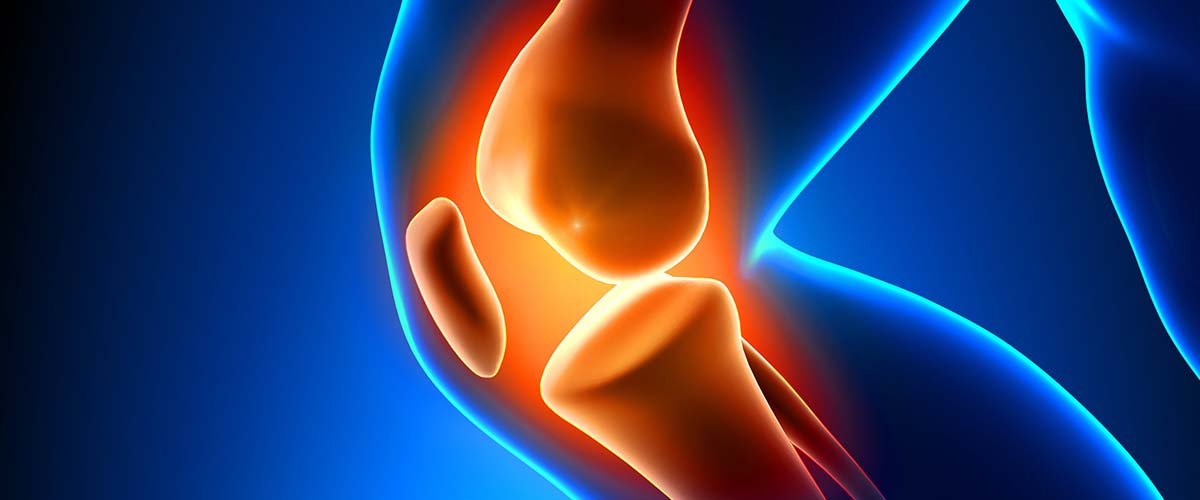
An osteotomy is a joint-preserving operation. The surgeon cuts and realigns a bone around the knee to shift weight away from a damaged area, or to improve how the kneecap tracks. For the right patient, osteotomy can relieve pain and delay or avoid knee replacement, while keeping your own knee.
- For active patients with arthritis or cartilage damage on one side of the knee, or with kneecap instability
- Keeps your natural knee
- Can be combined with cartilage or meniscus procedures
Types of knee osteotomy
- High tibial osteotomy (HTO): realigns the upper shinbone (tibia) to take pressure off the inner side of the knee, for bow-legged (varus) alignment with inner-knee arthritis or cartilage damage.
- Distal femoral osteotomy (DFO): realigns the lower thighbone (femur) to take pressure off the outer side of the knee, for knock-kneed (valgus) alignment with outer-knee damage.
- Tibial tubercle osteotomy (TTO): moves the bony attachment of the patellar tendon to improve how the kneecap tracks. It’s used for recurrent kneecap dislocation and for cartilage damage under the kneecap, and is often combined with MPFL reconstruction.
Who is a good candidate?
- Active adults who want to keep their natural knee
- Arthritis or cartilage damage mainly on one side of the knee, with leg alignment that overloads that side
- Kneecap instability or cartilage damage behind the kneecap (TTO)
Full-length alignment X-rays and an MRI help Dr. Dold decide whether osteotomy is right for you, or whether partial or total knee replacement is the better option.
Combined procedures
Osteotomy is often combined with cartilage repair or transplant, meniscus repair or meniscus transplant, or ligament reconstruction, so the repaired tissue is protected by better alignment.
Recovery
The bone needs time to heal, so recovery includes a period of protected weight bearing with crutches and a structured physical therapy program. Dr. Dold will give you a specific timeline based on the procedure performed.
Why see Dr. Dold
- Author of The Posteromedial Corner of the Knee: Anatomy, Pathology, and Management Strategies (JAAOS, 2017) and research on meniscal root repair and ACL reconstruction
- Board certified by the American Board of Orthopaedic Surgery, with subspecialty certification in Sports Medicine
- Fellow of the American College of Surgeons (FACS), the American Academy of Orthopaedic Surgeons (FAAOS), the American Orthopaedic Association (FAOA) and the Royal College of Surgeons of Canada (FRCSC)
- Sports medicine and arthroscopy fellowship at NYU Langone / Hospital for Joint Diseases; orthopedic residency at the University of Toronto
- Member of the American Orthopaedic Society for Sports Medicine (AOSSM) and the Arthroscopy Association of North America (AANA)
- D Magazine Best Doctors (Collin County), 2019–2026 · Rated 4.9 on Google
Frequently asked questions
What is a knee osteotomy?
Surgery that cuts and realigns a bone around the knee to shift weight away from a damaged area or to improve kneecap tracking, while keeping your natural knee.
What’s the difference between HTO and DFO?
HTO realigns the shinbone to unload the inner knee. DFO realigns the thighbone to unload the outer knee.
What is a tibial tubercle osteotomy (TTO)?
A procedure that moves the attachment of the patellar tendon to improve how the kneecap tracks, used for kneecap instability and cartilage damage under the kneecap.
Is osteotomy an alternative to knee replacement?
For the right patient, yes. It can relieve pain and delay or avoid knee replacement while keeping your own knee.
How long is recovery after knee osteotomy?
The bone needs time to heal, so recovery includes protected weight bearing and physical therapy. Dr. Dold will give you a timeline for your procedure.
Medically reviewed by Andrew P. Dold, MD, FAOA, FAAOS, FACS, FRCSC. This page is general information, not medical advice.