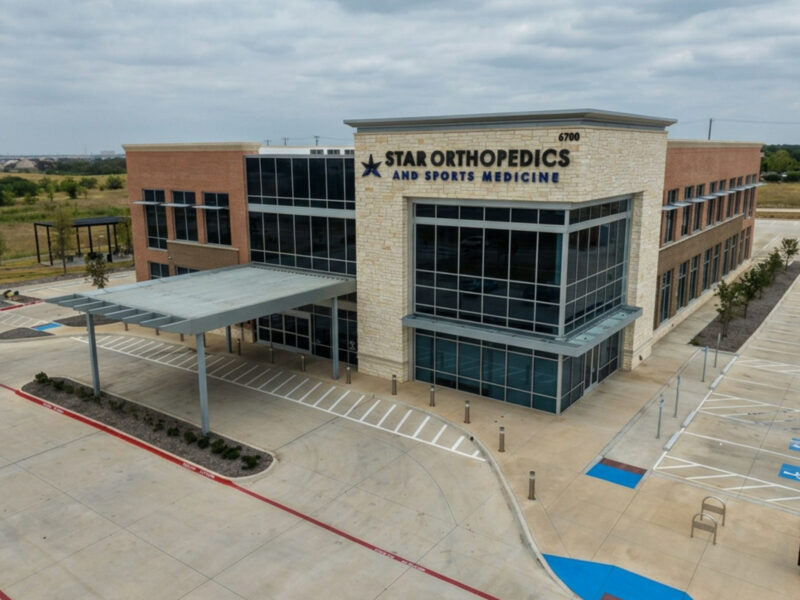









Orthopedic Surgeon for Little Elm, TX Patients
Care for sprains, sports injuries, knee and shoulder problems for Little Elm families and athletes, with board-certified surgeon Dr. Andrew Dold, MD, in nearby Frisco.
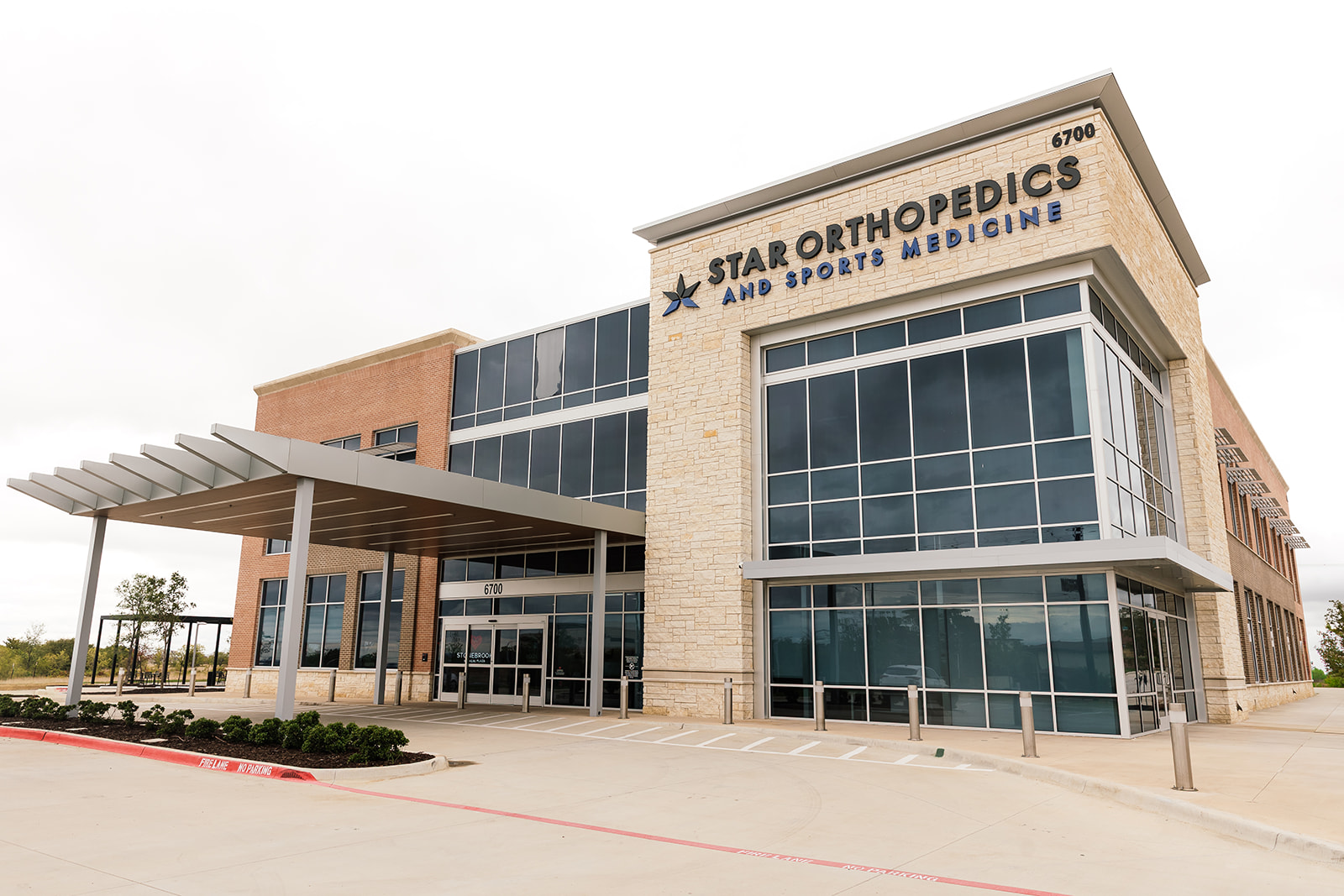
Dr. Andrew Dold, MD is a board-certified orthopedic surgeon and sports medicine physician who sees patients from Little Elm at Star Orthopedics, 6700 Dallas Parkway, Suite 100, in Frisco, a short drive east.
- Same-day appointments available
- New-patient walk-ins Monday, Wednesday and Friday, 8:30–10:30 am
- Office hours Monday–Friday, 8 am–5 pm
- Second opinions welcome, including when surgery has already been recommended
- Dr. Dold accepts most major insurance plans, including Medicare and Tricare. Please call 469-850-0680 to confirm your coverage.
Active families, active injuries
Between youth sports, running trails and weekends on the lake, Little Elm families stay busy, and so do their knees, ankles and shoulders. Dr. Dold sees the full range, from a twisted ankle to injuries that need surgery.
Ankle sprains
Most ankle sprains heal well without surgery. A large review found that supervised exercise and bracing help both recovery and preventing another sprain.1 For a severe sprain, a randomized trial found that a short period of firm support helped people recover faster than a simple compression bandage.2 If your ankle keeps giving way, Dr. Dold checks for ligament damage or a hidden fracture. See ankle sprains and ankle fractures.
Twisting knee injuries
A twisting injury can tear the ACL or the meniscus. When a torn meniscus can be repaired rather than trimmed, a long-term study found less arthritis progression and more patients back to their previous activity level after repair.3 That matters most for younger patients. See meniscus tears, meniscus repair and ACL injuries.
Shoulder dislocations
A shoulder that pops out during a fall or a contact sport can become unstable. A review of risk factors found that younger patients and men have a higher chance of the shoulder dislocating again.4 Dr. Dold reviews your imaging and your sport to decide whether therapy or a stabilization procedure is the right fit. See shoulder dislocation.
Also treated for Little Elm patients
Rotator cuff tears, hip pain, Achilles ruptures, knee arthritis and sports injuries in kids and teens.
Getting here from Little Elm
Head east into Frisco on Eldorado Parkway or Main Street, then south to the Dallas Parkway, the service road that runs alongside the Dallas North Tollway. The office is at 6700 Dallas Parkway, Suite 100, Frisco, TX. See photos of the office and directions, or meet the team.
Questions from Little Elm patients
When should I see a doctor for an ankle sprain?
See a doctor if you cannot put weight on the ankle, if there is tenderness over the bone, or if the ankle keeps giving way weeks later. Walk-ins are welcome Monday, Wednesday and Friday from 8:30 to 10:30 am.
Do I need an MRI for my knee?
Not always. Dr. Dold examines your knee and gets X-rays first, and orders an MRI when the result would change your treatment.
Does Dr. Dold treat kids?
Yes. He sees young athletes for sports injuries such as ACL tears, kneecap dislocations and growth plate injuries.
Does Dr. Dold accept my insurance?
Dr. Dold accepts most major insurance plans, including Medicare and Tricare. Please call 469-850-0680 to confirm your coverage.
Research cited
- Doherty C, Bleakley C, Delahunt E, et al. Treatment and prevention of acute and recurrent ankle sprain: an overview of systematic reviews with meta-analysis. Br J Sports Med. 2017;51(2):113-125. PubMed
- Lamb SE, Marsh JL, Hutton JL, et al. Mechanical supports for acute, severe ankle sprain: a pragmatic, multicentre, randomised controlled trial. Lancet. 2009;373(9663):575-81. PubMed
- Stein T, Mehling AP, Welsch F, et al. Long-term outcome after arthroscopic meniscal repair versus arthroscopic partial meniscectomy for traumatic meniscal tears. Am J Sports Med. 2010;38(8):1542-1548. PubMed
- Olds M, Ellis R, Donaldson K, et al. Risk factors which predispose first-time traumatic anterior shoulder dislocations to recurrent instability in adults: a systematic review and meta-analysis. Br J Sports Med. 2015;49(14):913-922. PubMed
This page is general information, not medical advice for your situation. Individual results vary.